
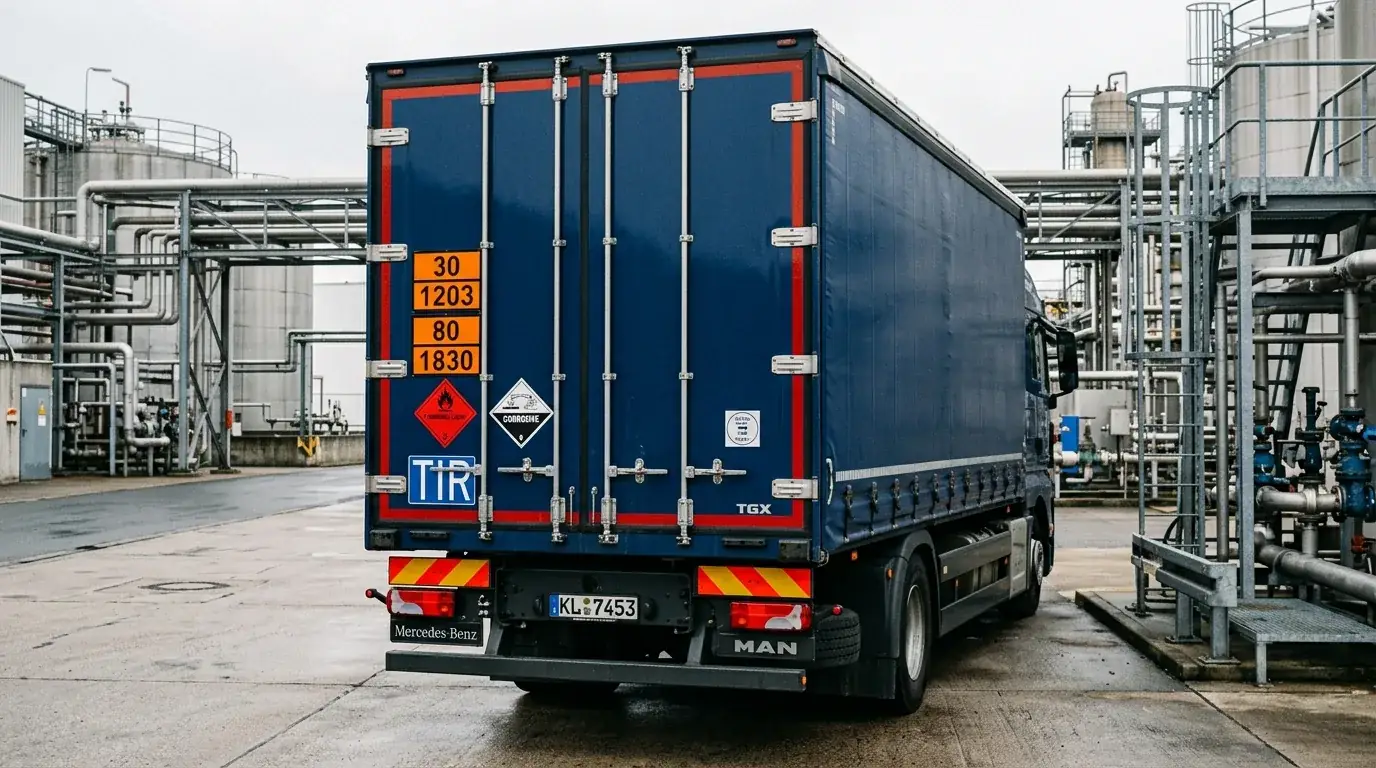
Bulk Chemical Transport
Bulk chemical transport across Europe: class 8 acids and caustics in rubber-lined tankers, bulk liquids and industrial chemicals, collection ex works, terminal or port, ADR and CMR handled.
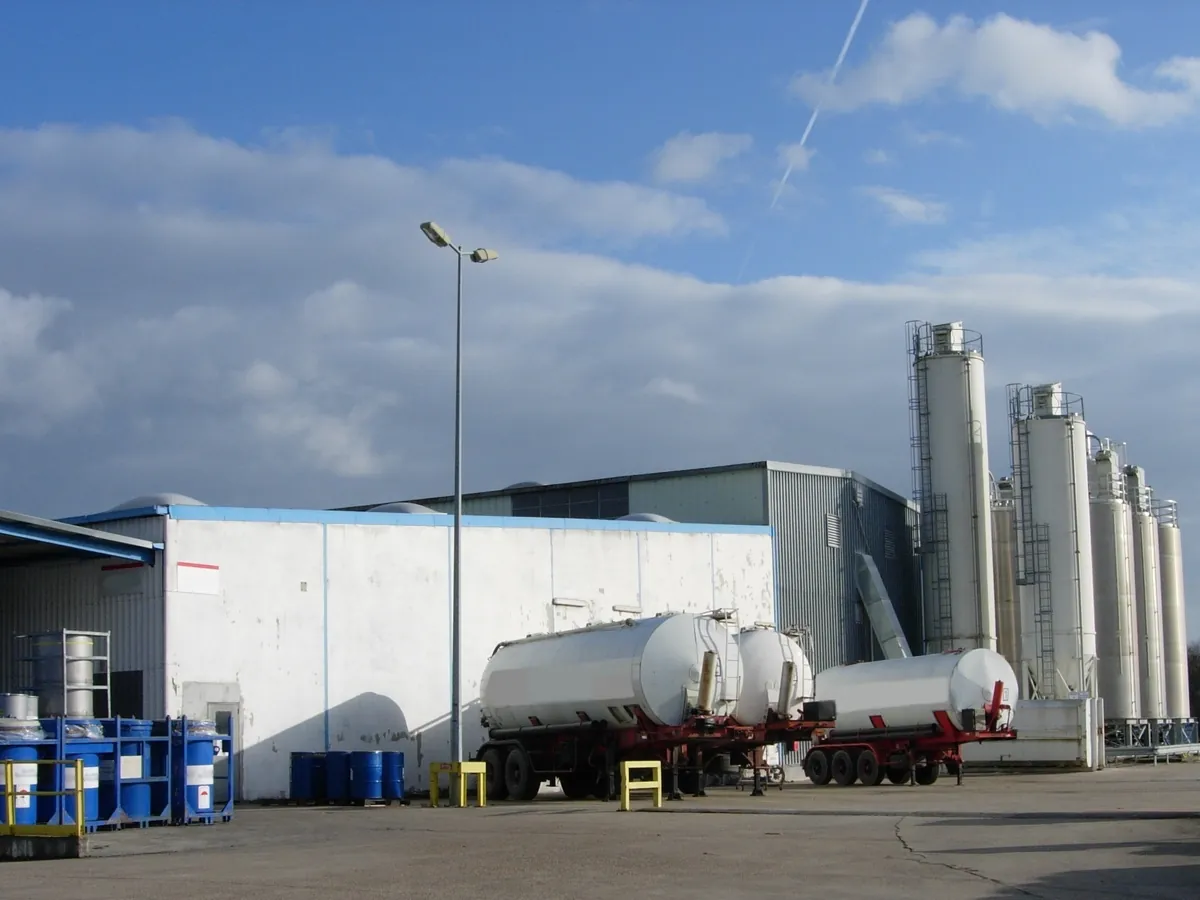
Key facts
Bulk chemical transport across Europe: class 8 acids and caustics in rubber-lined tankers, bulk liquids and industrial chemicals. Collection ex works, terminal or port, tank wash, all ADR documents and CMR insurance including ADR, coordinated through one contact.
Before a load moves
Bulk chemical transport, done properly
Bulk chemical transportation is unforgiving. Four things have to be right before a load moves.
The tank
Suited to the product
The carrier
ADR certified
The paperwork
Exact
The insurance
Covering dangerous goods
We manage all of it so your team does not have to chase carriers or check placards.
We are strongest on the loads generalists avoid: corrosives that need a rubber-lined tank, multi-drop lanes, and recurring routes that take setting up.
Classes and products
The chemicals we handle
Named products we run include sulphuric and hydrochloric acid, sodium hypochlorite and water-treatment coagulants.
For distributors moving continuous volume, we set up recurring lanes with agreed rates so pricing is predictable load to load.

Class 8
Acids and caustics, the core of what we move, in rubber lined tanks

Class 3
Flammable liquids
General industrial chemicals
In bulk
Pricing
Why the same product prices differently by region
Chemical tank capacity follows the chemical industry. This map holds 61 of Europe’s chemical clusters, from Rotterdam, Antwerp and the Rhine-Ruhr to Leuna, Ludwigshafen, Linz, Lyon, Tarragona, Płock and Porvoo, and the tank fleet works hardest on the corridors between them.
You are not paying for kilometres, you are paying for whether the vehicle can earn on the way back.
That is why two lanes of equal distance can differ substantially in price. Where the vehicle cannot earn on the way back, the empty return sits in your rate whether or not anyone itemises it, and the honest version is to say so at quotation rather than discover it in a surcharge.

Every cluster on the map
Benelux and the Rhine
- Antwerp
- Chemelot
- Rotterdam
- Moerdijk
- Terneuzen
- Delfzijl
- Ghent
- Tessenderlo
Germany
- Leuna
- Leverkusen
- Ludwigshafen
- Marl
- Bitterfeld-Wolfen
- Burghausen-Gendorf
- Dormagen
- Frankfurt-Höchst
- Schkopau
- Stade
- Wesseling
- Brunsbüttel
Austria, Switzerland and Central Europe
- Basel-Schweizerhalle
- Linz
- Litvínov
- Tiszaújváros
- Bratislava
- Kazincbarcika
- Pardubice
- Schwechat
- Visp
Poland and the Baltics
- Płock
- Jonava
- Kohtla-Järve
- Kędzierzyn-Koźle
- Oświęcim
- Włocławek
France
- Fos-Lavéra-Berre
- Le Havre-Port-Jérôme
- Lyon
- Carling
- Dunkirk
- Lacq
- Roussillon
Iberia
- Tarragona
- Huelva
- Sines
- Cartagena
- Estarreja
Italy
- Priolo
- Ferrara
- Mantova
- Porto Marghera
- Ravenna
Nordics
- Porvoo
- Stenungsund
- Kokkola
- Rafnes
South East Europe
- Burgas
- Năvodari
United Kingdom and Ireland
- Grangemouth
- Runcorn
- Teesside
Bulk or packed
Why bulk beats packed for volume
Moving a chemical in bulk, one tanker of product, is cheaper per tonne than the same volume in drums or IBCs, and it removes packaging and handling. The trade-off is that it needs the right tank and full ADR compliance, which is what we bring.
Where the lane matches a backhaul, the rate drops further. You pay one managed price with the tank, wash, documents and insurance included.
Compatibility
Compatibility, dedication and cleaning
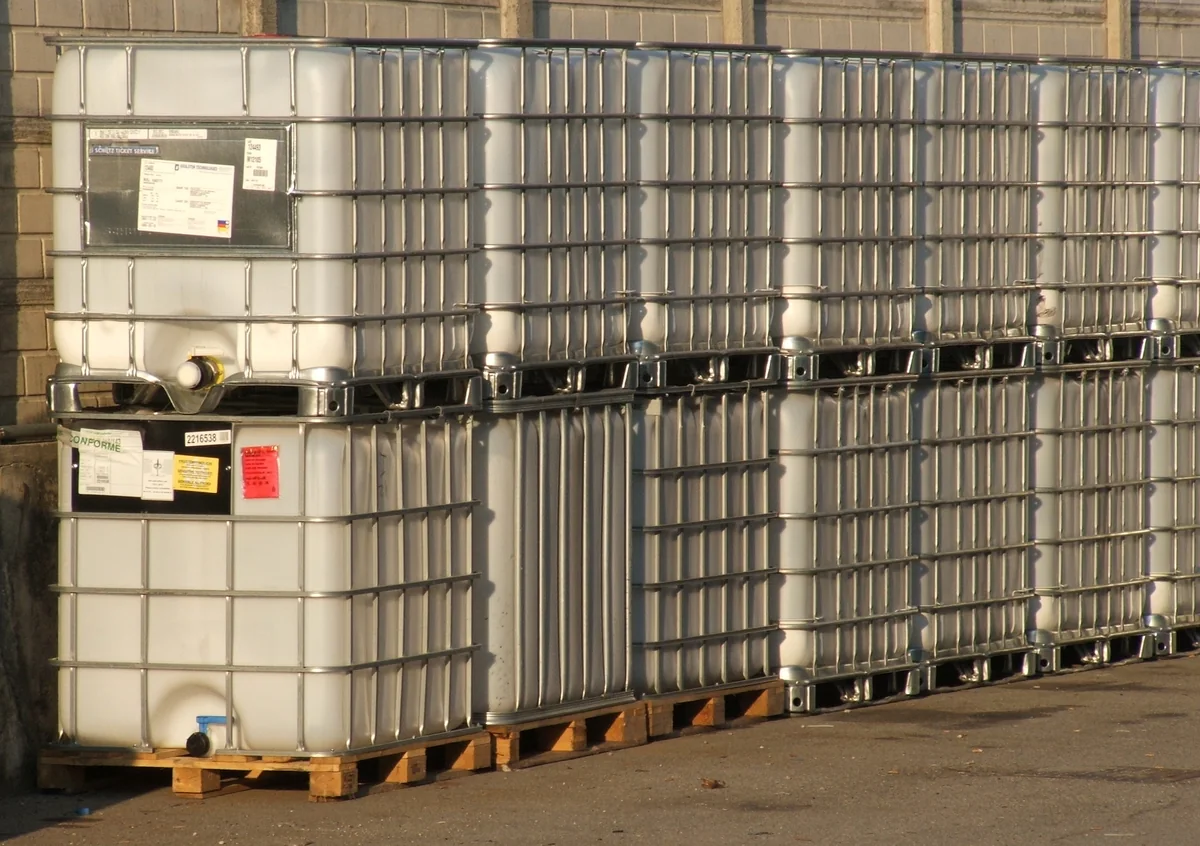
The first question on any bulk chemical move is what the tank carried before. The difference is significant in cost and absolute in consequence.
Chemical haulage differs from general freight in one respect that decides everything: the vehicle has to be qualified for the specific product, not merely available. We source against those constraints rather than against whatever is nearest, which is why loads are not turned away at the plant gate.
We check lining, tank code and previous load before confirming a vehicle, and we attach the European cleaning document to the job file so the receiving plant has it on arrival. Anyone checking the detail can go straight to the European chemical industry council Cefic and the ECHA chemicals database.
The product tolerates a previous load
A washed tank, with a cleaning certificate
It does not tolerate one
A dedicated unit that only ever runs that product
Segregation
Segregation rules limit what can share a movement
Bulk chemical work runs into compatibility limits long before it runs into capacity limits. Oxidisers cannot travel with organic material, some corrosives cannot follow certain previous loads even after washing, and a number of products require a dedicated unit outright.
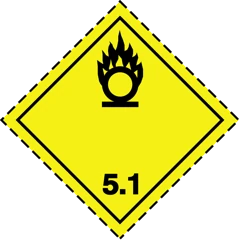
Class 5.1 oxidisers are segregated from flammables and organic material. Previous load compatibility is checked against the product, not against a general cleaning standard.
A European cleaning document evidences the prior products and travels with the load. Where the risk is unacceptable the answer is a dedicated tank, priced accordingly.
Questions
Bulk chemical transport, common questions
What is bulk chemical transportation?
Moving chemicals by the full tanker or ISO tank rather than in packages. It is cheaper per tonne at volume but requires the correct tank and full ADR compliance.
Do you serve chemical distributors?
Yes. For distributors with continuous volume we set recurring lanes with agreed rates and a single point of contact, so pricing and capacity are predictable.
Which acids do you transport?
Sulphuric, hydrochloric and nitric acid, sodium hypochlorite, caustics and water-treatment chemicals, in rubber-lined class 8 tanks.
Get a price
Moving bulk chemicals across Europe?
Send the product and the lane. We come back with a managed rate from a vetted ADR carrier with the right tank.
Or call +372 5396 5987