
Industrial Freight: Machinery, Parts, Chemicals
Industrial freight, whatever shape it takes. You ship machinery from Italy. You move parts between factories.
You send chemicals to distributors. You call us once, get fixed pricing, and the truck shows up. Checked carriers, every trailer type.
One invoice. One person to call for everything.
Get a freight quote
Fixed all-in pricing. Response.
Key facts
Industrial and machinery freight across Europe. Chemicals, building materials, machinery and bulk goods matched to the right trailer, from curtainsider to rubber-lined tanker.
What managing freight yourself actually looks like
You call 3 carriers for quotes. You chase the POD for a week.
The claim sits in someone's inbox for a month. Here is what changes when you stop doing this yourself.
Freight cost estimator
Get a ballpark estimate for your corridor. Exact fixed-price quote confirmed.
Estimate Your Freight Cost
Select corridor and load type for an indicative range.
Ship regularly on this corridor?
Ask about standing rate agreements →How it works
You send the details. We do the rest. One person, start to finish.
You Send Us the Details
What you are shipping, weight, dimensions, pickup address, delivery address, preferred dates. Use the form above, email, or WhatsApp. Best guess is fine, we will confirm details.
Fixed Quote, No Surprises
We find the right carrier on that corridor with the right equipment. You get a fixed all-in price.
No fuel surcharges, no extras. The quoted price is the final price.
Collection and Transit
Carrier collects at the agreed time. CMR consignment note signed.
You get updates from your coordinator during transit. We are reachable throughout.
Delivery and Invoice
Freight delivered, POD signed. Single invoice for the agreed amount. Payment terms per customer.
If there is a claim, we handle it.
Industries we serve
Whatever you ship, we match it to the right carrier with the right equipment.

Machinery and Equipment
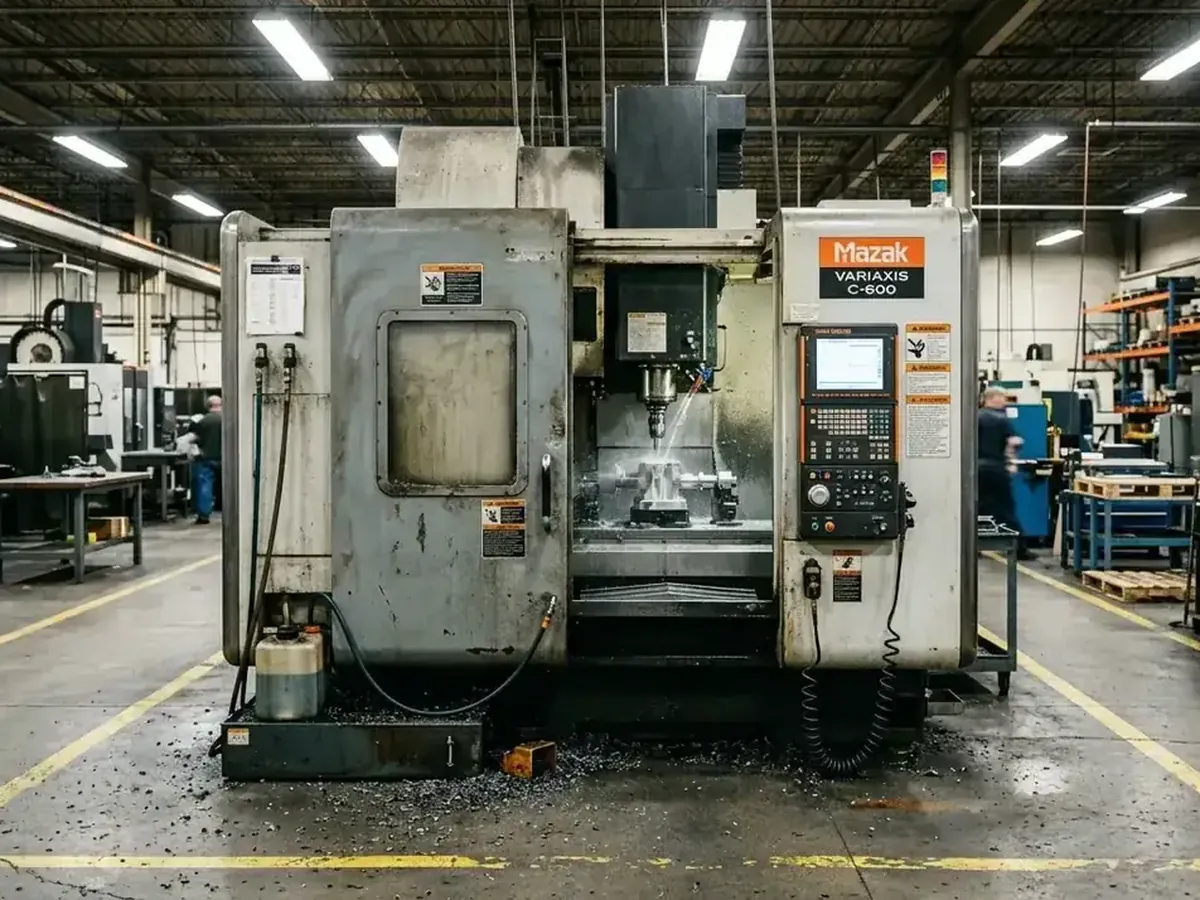
CNC machines, industrial presses, assembly components. Flatbed, lowloader, and curtainsider depending on dimensions.

Automotive Components
Brake discs, bumpers, suspension kits, engine blocks. Palletised and crated. Regular production line supply runs.

Chemicals and ADR
Industrial chemicals, resins, coatings, adhesives. ADR certified carriers for all hazard classes. Documentation handled.

Building Materials
Ceramic tiles, steel beams, insulation, timber, concrete products. Heavy and oversized loads coordinated.

Food and Beverage
Temperature controlled reefer transport. Minus 25 to plus 25 degrees.
HACCP required of the carrier where the load calls for it. Seasonal surge capacity.

Retail and E-Commerce
Warehouse to warehouse FTL transfers. Pallet distribution to regional hubs. Cross-border e-commerce fulfilment.
How we compare
You have options. Here is how they actually compare.
| Vektor Group | Large Forwarder | Managing In-House | |
|---|---|---|---|
| Quote speed | Same day, up to 48h for specialist loads | 24 to 48 hours | 2 to 4 hours (your time) |
| Your contact | Named coordinator, direct phone | Ticket system, call centre | You are the contact |
| Pricing | Published quoted prices. Fixed. | Quote on request | Varies by carrier |
| Claims handling | We handle everything. 24h filed. | Claims department, weeks | Your problem entirely |
| Corridor coverage | All European corridors | Broad but impersonal | Only lanes you know |
| Invoicing | One invoice per shipment | One invoice, complex terms | Multiple carrier invoices |
Questions
Questions you are probably asking
We already have carriers we work with. Why use a broker?+
Your existing carriers are great for the lanes they know. But what about corridors they do not cover? What about peak season when your regular carrier has no capacity?
What about claims where you are dealing with their insurance directly? A broker gives you one point of contact for every lane, backup capacity when you need it, and someone who handles the operational headaches. Most of our clients still use their own carriers for some lanes and use us for everything else.
Is a broker not just an extra cost on top of the carrier?+
Our rates are competitive with direct carrier rates because we consolidate volume across multiple shippers. A carrier gives a better rate to a broker sending them 20 loads a month than to a single shipper sending 2.
You also save the time you currently spend sourcing carriers, comparing quotes, and managing paperwork. For most manufacturers, the time savings alone offset any margin difference.
What happens if the carrier does not show up?+
We put a backup carrier on it from the same corridor, not a search starting from zero. We maintain multiple carrier relationships on every corridor specifically for this scenario. You are notified immediately with the updated pickup time.
This is one of the core advantages of working with a broker: we have the carrier network to cover failures. A single carrier relationship gives you no backup.
Do you handle ADR and temperature controlled freight?+
Yes. We have ADR certified carriers covering all hazard classes (2 through 9) and temperature controlled carriers running reefer trailers from minus 25 to plus 25 degrees.
We verify the certifications a load requires before assigning it. ADR documentation and dangerous goods declarations on every ADR movement, and HACCP where food or pharma is involved.
Can you handle regular weekly shipments?+
That is where we add the most value. For regular shipments we set up a standing rate agreement: locked pricing for the agreed period, priority carrier capacity reserved on your lanes, and a dedicated coordinator who knows your cargo, your sites, and your schedule. No re-quoting every week.
No capacity surprises. Your freight runs on a schedule, not on hope.
European ADR reference briefing
What changed in the regulation, and where. Vehicle transport and FTL.
Updated every quarter. Free.
One email per quarter. Unsubscribe anytime.
Also importing vehicles? Cars, vans, dealer stock?
See our vehicle transport rates and calculator →What decides whether an oversized load is straightforward or not
Industrial and project freight is priced on permissions and access rather than on weight alone. These are the questions that set the price.
| Step | What happens |
|---|---|
| 1 | Confirm actual dimensions and weight including any cradle or packing, not the nominal figures |
| 2 | Establish whether the load is divisible, because an indivisible load changes the permit route entirely |
| 3 | Check permits for every country on the route, since each issues separately and lead times differ |
| 4 | Assess access at both ends: crane availability, hardstanding, turning circle and overhead obstructions |
| 5 | Plan around driving bans, with Germany closed to trucks over 7.5 tonnes on Sundays and public holidays |
| 6 | Confirm escort requirements, which vary by country and by dimension threshold |
