
Why Vektor: Fewer Offers, Each One Checked
Why Vektor: the loads you see are filtered to your truck, where a load board gives you volume and no filter. This is the argument for the other way round: fewer offers, each one checked against what you actually run.
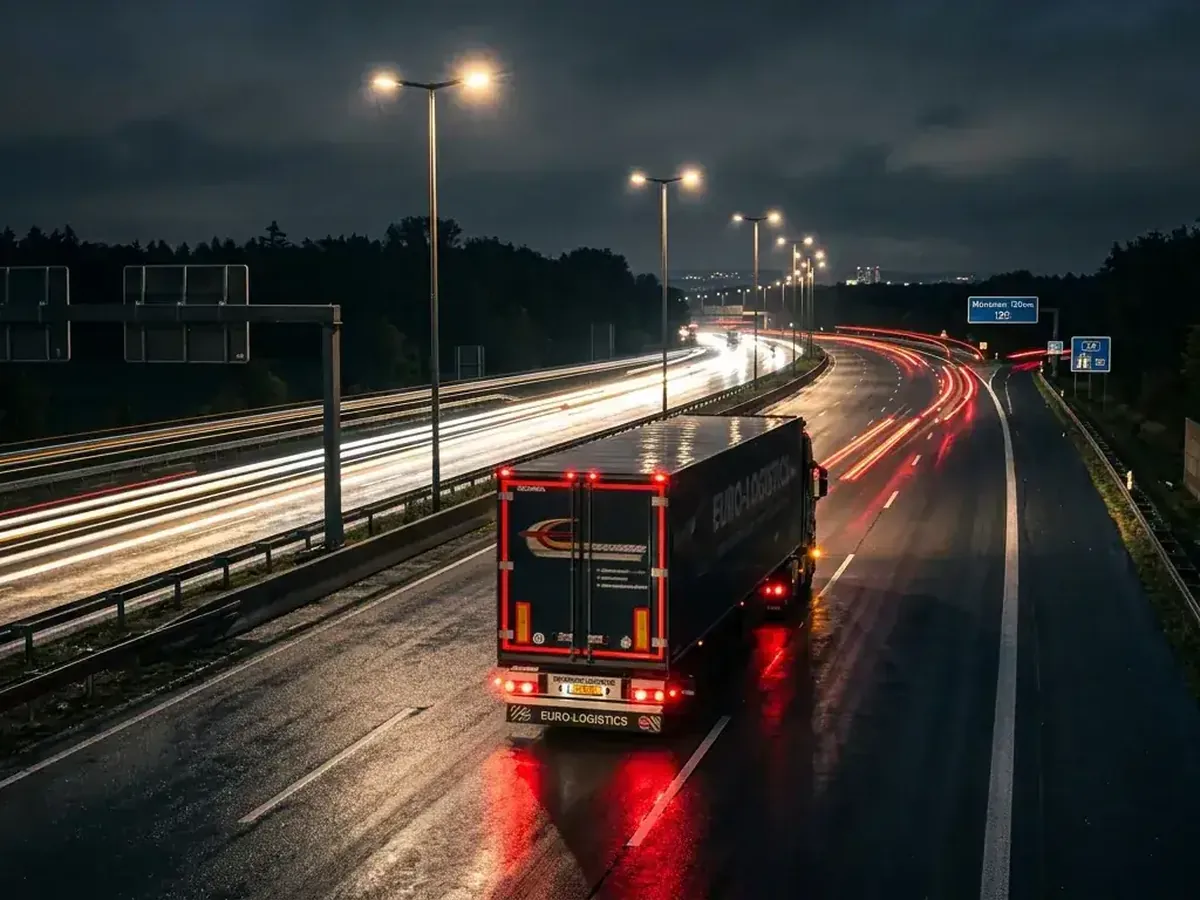
Better load fit, because we filter before we call
A board shows you everything and leaves the matching to you. That is fine when your trucks are generic and your lanes are flexible. It is expensive when they are not, because you spend the day reading offers you cannot take.
We hold a profile for every carrier, and freight is matched against it before anyone picks up the phone. You get fewer calls and a higher proportion of them are runnable.
| What we hold | Why it decides a match |
|---|---|
| Trailer types | Rules a load in or out before anything else |
| Payload and dimensions | Decides whether the load fits the combination |
| Home base | Decides who is near the collection |
| Countries served | Decides whether the lane is yours at all |
| Preferred corridors | Where we look for your return leg |
| ADR capability and classes | Decides which dangerous goods we can offer you |
The requirements are on the table before you commit
This is the part that costs carriers money elsewhere.
The expensive surprises in this trade are the ones that arrive after acceptance. A tunnel restriction that rules out your route. A cleaning certificate the consignee wants and nobody mentioned.
An unloading window your driver cannot make. Equipment the site assumed you had.
Every offer answers the same questions before you commit. If we do not know something yet, the offer says so rather than leaving you to find out at the gate.
| In every offer | For dangerous goods, also |
|---|---|
| Route | UN number |
| Cargo | Class |
| Weight and dimensions | Packing group |
| Equipment | Tunnel restriction code |
| Timing |
Specialised freight is where the difference shows
Generic capacity competes on price, because anyone with a curtainsider can do the job. ADR, tank and temperature controlled work competes on capability, because most of the market cannot take it at all.
Vektor's shipper side is built around dangerous goods and chemical movements. If your fleet carries ADR classes, runs rubber or PE lined tanks, or handles temperature controlled loads, the work we place is work a large part of the market is not bidding against you for. The ADR carrier page sets out what that involves.
One contact, from booking to proof of delivery
You deal with the Vektor desk. We hold the shipper relationship, the coordination and the invoicing. When something changes in transit you tell one person, and that person is the one who can actually change something.
You invoice us, once. The shipper's payment behaviour is our problem, not yours.
The relationship compounds, and that is deliberate
Carriers who accept the work they say they can run, arrive when they said they would and return clean paperwork get called first the next time freight fits their profile. There is nothing complicated about it and no scheme attached to it. It is simply that a brokerage that keeps calling unreliable carriers does not stay in business.
We would rather hold a smaller network that runs well than a large one we cannot rely on. That is also why the onboarding asks for documents rather than an email address.
Your capacity, our freight network
Tell us what you run and where you run it. We come back when there is freight that fits, not before.
Start carrier onboarding →