
Road Freight Work for Carriers
Road freight work is easier to talk about by what it demands of the vehicle than by what industry it came from. This is that view.
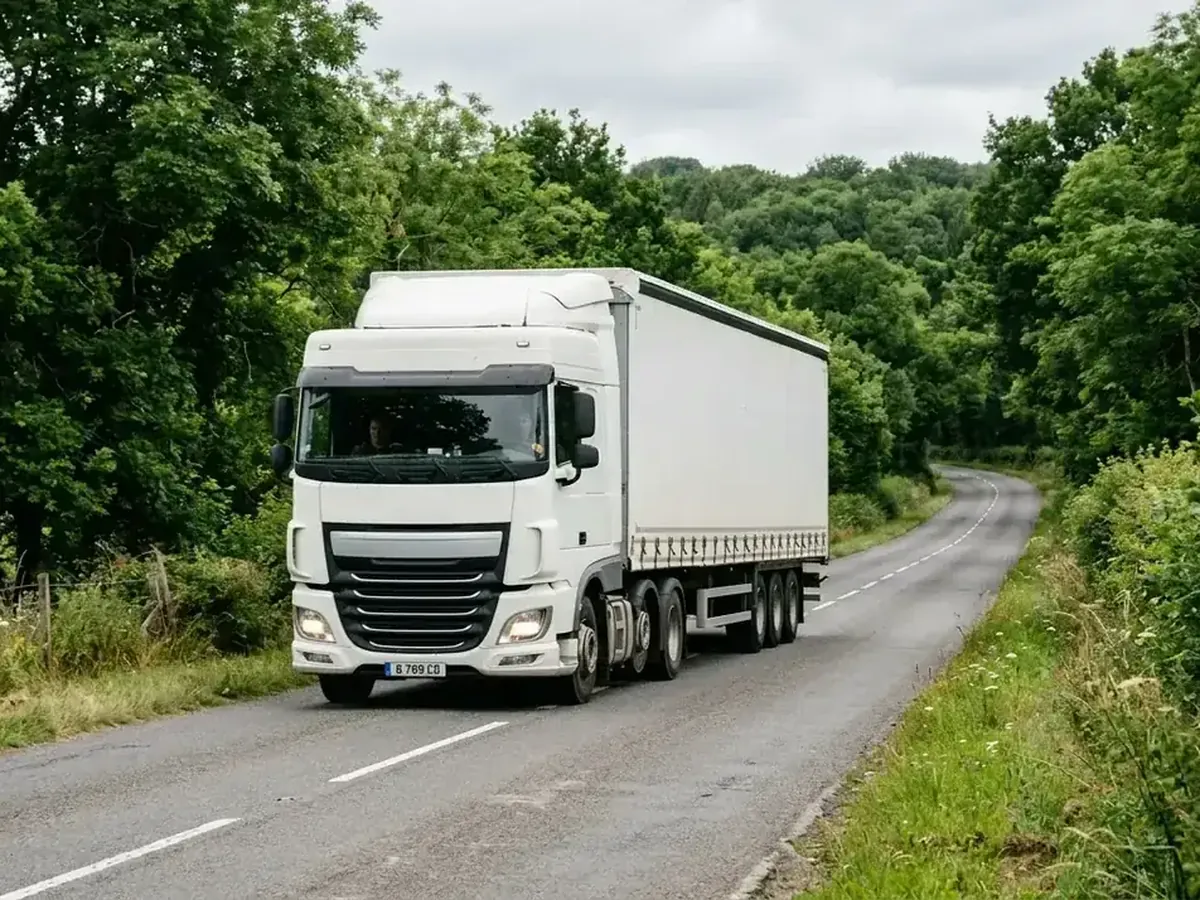
Full loads
General palletised and industrial freight moving as a complete load. The vehicle question is loading metres, payload and whether the goods stack. The commercial question is whether the lane runs both ways, because an empty return is the difference between a rate that works and one that does not.
We ask carriers for their regular corridors precisely so we can look for the return leg. The load metre calculator is the same arithmetic we use when we describe a load to you.
Tank and bulk liquid
Tank work turns on the unit rather than the tractor. The lining decides which products a tank can take, the previous load decides whether it can take them today, and the cleaning certificate is what proves it.
We ask for lining type, compartments, capacity and pump or compressor equipment in the carrier profile, and we check the previous load and the cleaning documentation before planning, not at the gate. Our tank lining reference is the same table we work from.
Bulk powder
Silo work, discharged by tipping or by compressor. The questions are capacity, discharge method, compartmentation and the cleaning regime between products. Food-grade and technical products are not interchangeable and we treat them separately.
Temperature controlled
A temperature instruction is only half of it. The other half is the record: the consignee wants evidence that the setpoint held, and a load without a readable trace is a claim waiting to happen. We ask for recorder capability in the profile and we pass the temperature instruction in the offer.
Equipment dependent freight
Machinery and industrial pieces where the dimensions, the weight distribution or the securing requirement decides the vehicle. These jobs are worth quoting carefully, because the securing plan and the permits are where they go wrong.
If you run flatbeds, low loaders or mega trailers, tell us the deck heights and the internal dimensions rather than just the trailer type. That is what makes the match possible.
Your capacity, our freight network
Tell us what you run and where you run it. We come back when there is freight that fits, not before.
Start carrier onboarding →